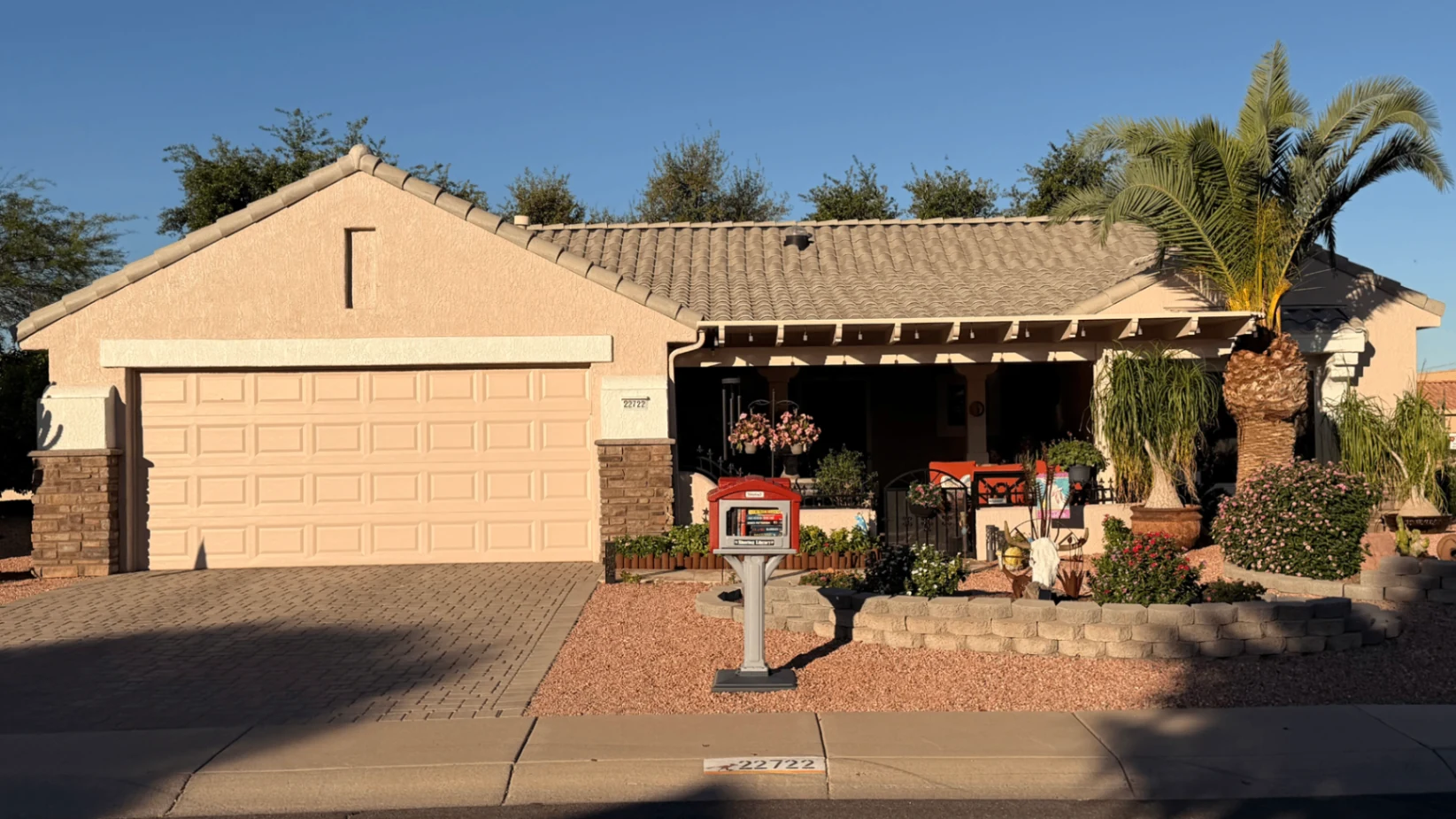
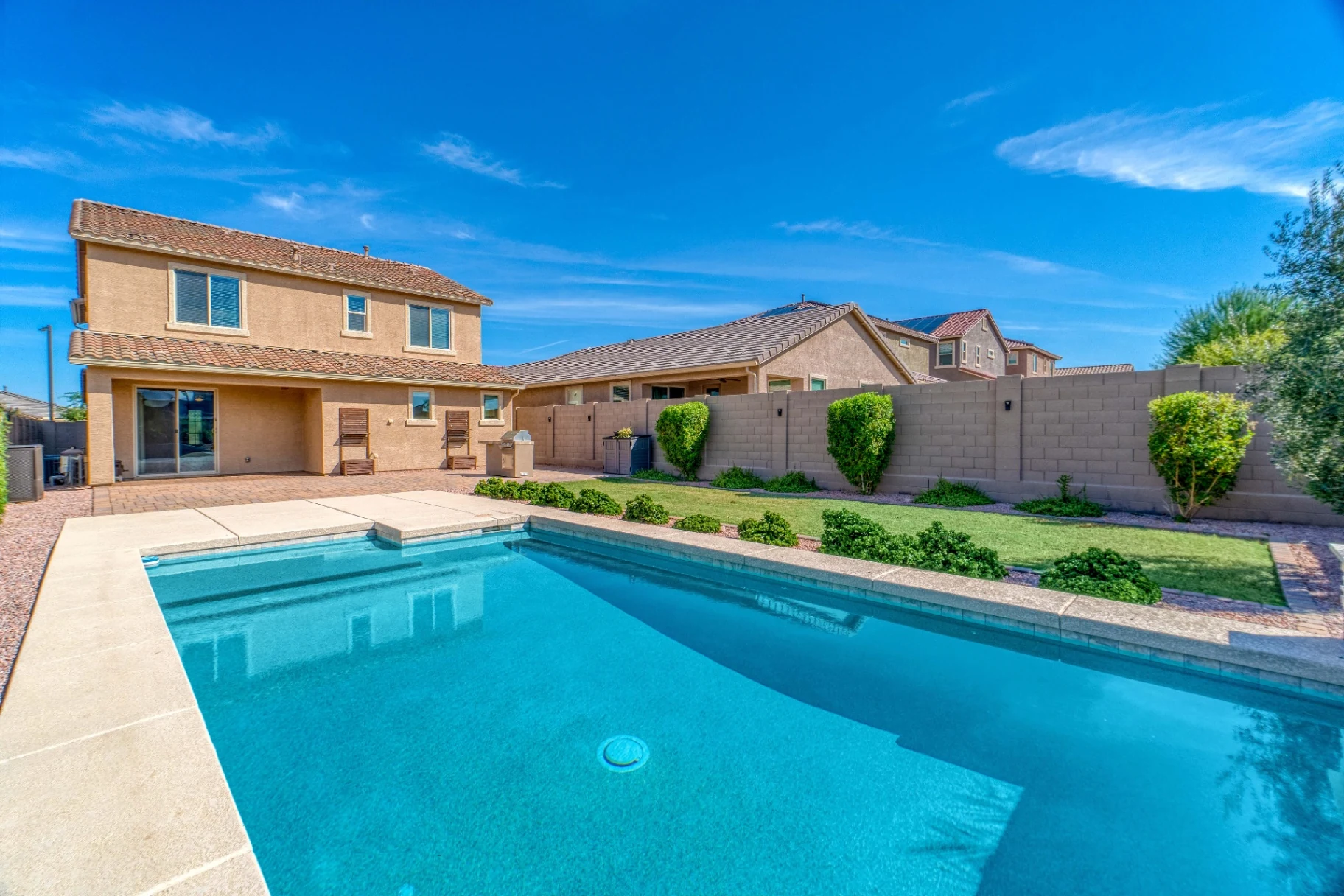

The Arizona sun degrades exterior coatings faster than almost any other climate in the country. If you are wondering how often to paint house in Arizona, the answer is every five to seven years for most stucco homes. Waiting the national average of ten years guarantees surface failure. The intense UV radiation and extreme heat variations break down the chemical bonds in paint. Once that protective layer fails, you are exposing the structural envelope of your home to monsoon moisture, dry rot, and expensive masonry repairs. This guide covers the timeline for desert homes, the visible signs of coating failure, and how to protect your property before minor wear becomes major damage.
How Often To Paint House In Arizona Based On Surface Material
Different building materials weather at different rates. The south and west exposures of your home take the brunt of the afternoon sun and will always degrade first.
- Stucco Walls: 5 to 7 years. Stucco is porous. It expands and contracts with daily temperature swings. Paint acts as a waterproofing membrane that keeps moisture out of the hairline cracks that naturally form in the cement.
- Wood Fascia and Eaves: 4 to 6 years. Wood bakes in the sun, dries out, and rots when water penetrates the exposed grain. Horizontal wood surfaces take a severe beating in the desert.
- Metal Garage Doors and Gates: 7 to 10 years. Metal holds specialized exterior coatings well, provided the surface was deglossed and primed correctly before application.
- Block Walls: 5 to 8 years. Masonry perimeter walls suffer from irrigation overspray and soil moisture wicking up from the ground. This causes paint to blister and peel faster than on the main house.
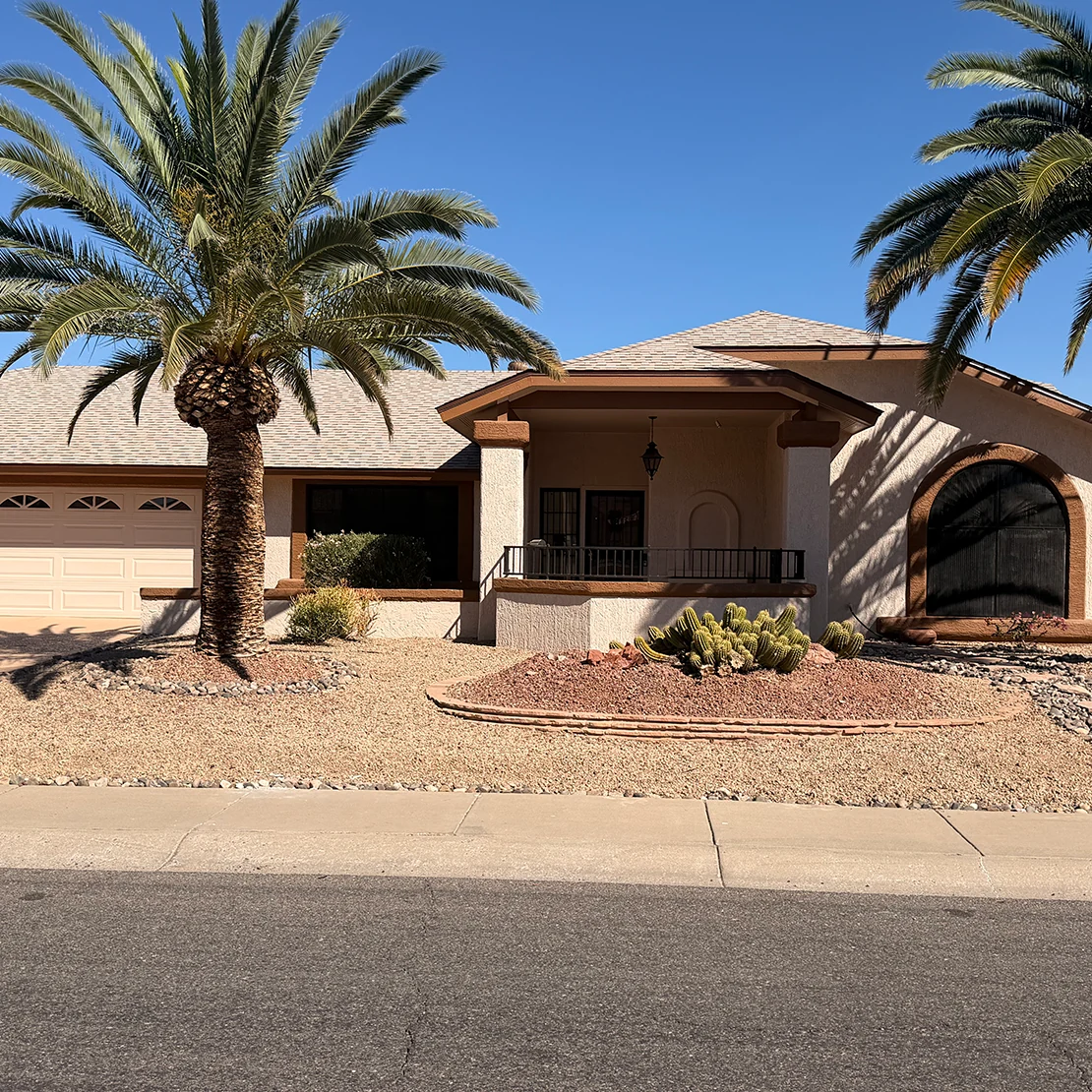
Four Clear Signs You Need Exterior House Painting Arizona
Do not wait for peeling strips of paint. Desert paint failures look different than failures in wet or freezing climates.
- The Chalking Test: Run your bare hand firmly across the south-facing stucco. If your palm comes away covered in a fine powder, the acrylic binder in the paint has burned off. The pigment is left resting on the wall, but the protective film is gone.
- Faded Color Blocks: Compare the paint color underneath your patio roof to the color on an exposed exterior wall. A stark contrast means the UV rays have bleached the pigment. Faded paint has lost its elasticity and will no longer stretch as the house shifts.
- Hairline Stucco Cracks: Small spiderweb cracks around windows and structural joints occur naturally as the house settles. Good paint bridges these minor gaps. When the paint turns brittle, the bridges snap. Water then gets behind the stucco during summer monsoons.
- Cracked and Separated Caulking: The sealants around your windows, doors, and trim dry out and shrink over time. If the caulking separates from the frame, the home is no longer sealed against water or pests.
What Dictates How Often Should You Repaint Your House
Not all paint jobs last seven years. The lifespan of your exterior coating depends on three specific variables.
- Paint Quality and Volume Solids: Builder-grade paint is thin. It contains high amounts of water and solvents that evaporate, leaving a very thin film on the wall. Premium 100 percent acrylic exterior paints have higher volume solids. They dry thicker, retain flexibility, and resist UV breakdown years longer than cheap alternatives.
- Color Selection: Dark browns, deep grays, and heavy blues absorb massive amounts of solar radiation. A dark exterior wall in the West Valley can reach 160 degrees on a July afternoon. This bakes the paint and causes premature fading. Light earth tones, off-whites, and soft tans reflect heat and extend the life of the coating.
- Elastomeric Versus Standard Acrylic: Some stucco homes benefit from elastomeric paint. This product goes on up to ten times thicker than standard acrylic. It creates a heavy, rubberized coating that bridges larger cracks. However, it does not breathe well. If moisture gets trapped behind it, it will create massive blisters. We evaluate the specific condition of your stucco to determine which coating will perform better on your property.
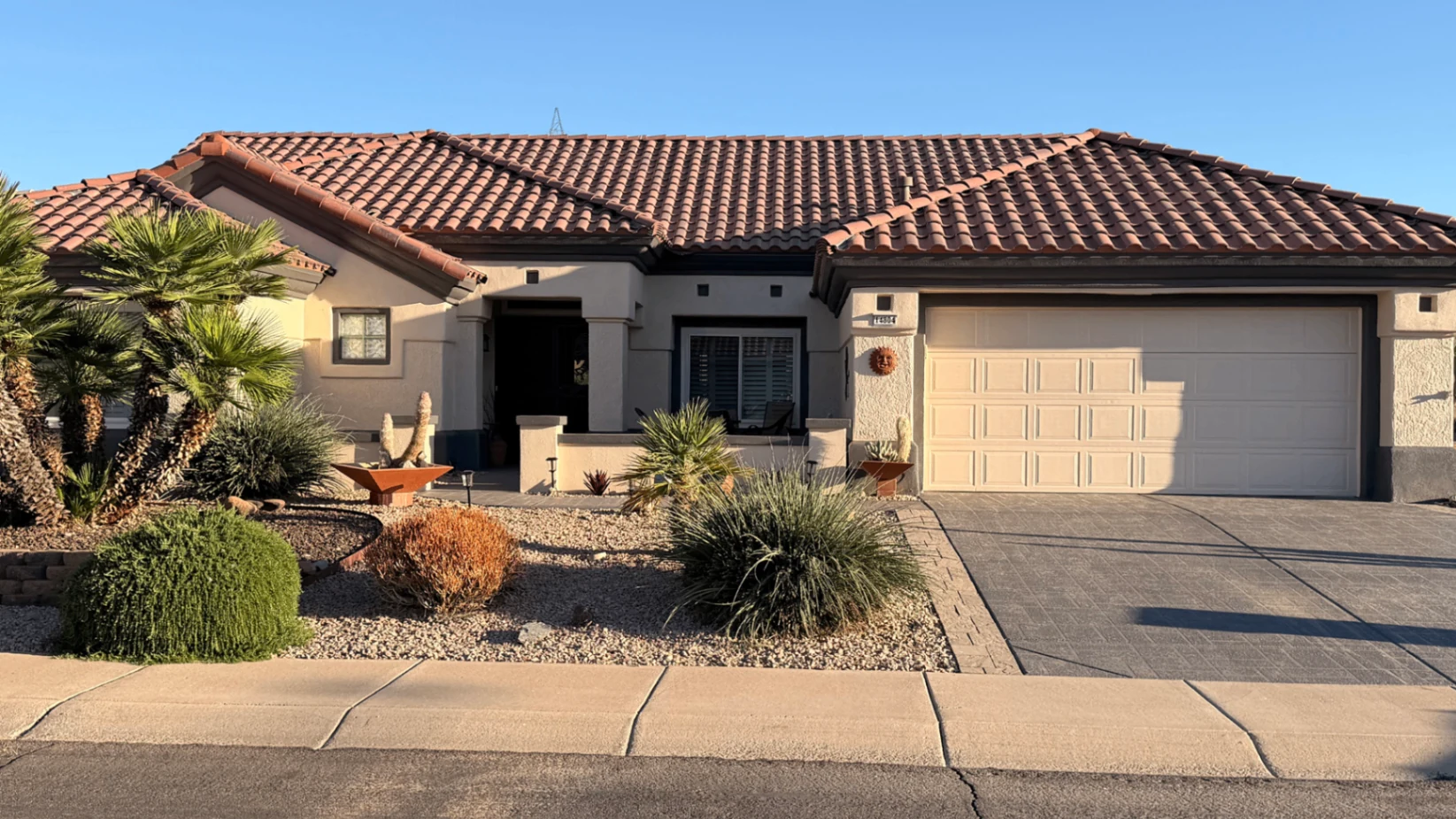
The Critical Role of Surface Preparation
Paint will not stick to dirt, chalk, or failing material. The difference between a paint job that lasts three years and one that lasts eight years happens before a single brush is wet.
- High-Pressure Washing: The entire home must be washed to remove dust, cobwebs, and the chalky residue of dead paint.
- Trenching: We pull back the decorative rock and soil from the base of the foundation by three to four inches. This allows us to seal the stem wall below the grade line, preventing moisture from wicking up behind the new paint.
- Scraping and Sanding: All loose, flaking paint on wood fascia and trim must be scraped to a hard edge.
- Patching and Caulking: Every hairline crack in the stucco gets sealed with elastomeric patching compound. We re-caulk failing joints around windows and doors with premium urethane or acrylic sealants.
- Priming: Bare wood, exposed stucco patches, and rusted metal require specialized primers. Skipping primer guarantees the topcoat will fail prematurely.
The Financial Risk Of Deferred Maintenance
Delaying exterior painting does not save money. It just shifts the expense from painting to carpentry and masonry. An average exterior repaint in the Sun City area costs between $3,500 and $6,500. The exact price depends on the square footage, the amount of wood fascia, the severity of stucco cracking, and the necessary repairs.
When wood fascia loses its paint, sun exposure cracks the grain. Monsoon rain enters those cracks, accelerating dry rot. Replacing sections of structural fascia requires skilled carpentry and costs significantly more than painting the existing wood.
When stucco loses its waterproof coating, water penetrates the porous surface. The moisture reaches the metal wire lath attached to the framing underneath. The metal rusts, expands, and forces the stucco off the wall in large chunks. Patching blown-out stucco requires specialized labor, and the new patches are notoriously difficult to blend into the original wall texture.
HOAs in Sun City, Corte Bella, and Trilogy aggressively monitor exterior maintenance. Faded paint, chalking walls, and visible cracks often trigger compliance letters and fines. Being forced to paint on the HOA's timeline removes your ability to schedule the work during the ideal fall or spring seasons. If you plan to change colors, factor in 30 days for the architectural committee to approve your new paint chips.
Need Stucco Repair Or Exterior Painting?
Talk to Arizona's Quality Painting about stucco crack repair, exterior painting, and a clear, on-site estimate for your Phoenix or West Valley home.